
Choosing the best business insurance for construction is not about finding one policy name that fits every contractor. Louisiana businesses should evaluate the work they perform, project contracts, tools and equipment, employees, vehicles, property, and job-site conditions together. We help businesses examine those details and compare available carrier options, since coverage, eligibility, and terms vary by operation and policy.
Request a construction coverage review
A roofer, electrician, remodeler, and general contractor can face different exposures, even when they have similar headcounts. The practical question is not simply which policy sounds right. It is whether the insurance being considered reflects the actual work, locations, contracts, and property involved. Here is a step-by-step way to prepare for that conversation and compare options without relying on competitor rankings or a one-size-fits-all recommendation.
Talk with us about your business
What should construction companies evaluate first?
Begin with a complete description of the operation. Write down each trade, the services included, the share of work devoted to each service, and whether projects are residential, commercial, renovation, or new construction. Note whether you work in occupied buildings, at active job sites, or in areas where other trades are working at the same time. Include occasional work, seasonal activity, and services you expect to add soon.
- List each trade and the tasks performed, rather than using only a broad label such as contractor.
- Separate project types, such as repair calls, remodels, and ground-up construction.
- Record where work takes place, including any work beyond Louisiana.
- Describe the equipment, materials, and methods used on site.
- Identify which work is performed by employees and which is subcontracted.
- Track changes in project size, territory, services, and staffing.
This first inventory matters because an insurer reviews what the business actually does. A description that omits a material activity can make it harder to evaluate eligibility or match insurance to operations. If a contractor begins taking on a new trade, for example, the change should be discussed before that work starts rather than waiting for renewal.
Next, consider the pattern of the work. A company doing many short service calls may have a different mix of vehicle use, tools in transit, and customer interactions from a firm handling a small number of larger projects. Neither pattern automatically calls for a particular policy. Both are useful context for an accurate review.
How does the trade change the coverage review?
Construction is not one uniform exposure. The task, materials, work height, site conditions, and who controls the work all matter. Installing fixtures as part of a renovation can differ from structural alterations. Work in an occupied home can bring concerns about access and protecting the customer’s property that are unlike those at an empty new-build site. A trade name alone may not explain these details.
Prepare a short description of how each service is performed. Explain which tools are used, who supervises the work, what safety and quality procedures are followed, and what types of materials are handled. Ask how the carrier classifies the activity, whether limitations or exclusions apply, and what review is needed before adding a service. Avoid assuming that a policy covers every operation merely because its name includes business or contractor insurance.
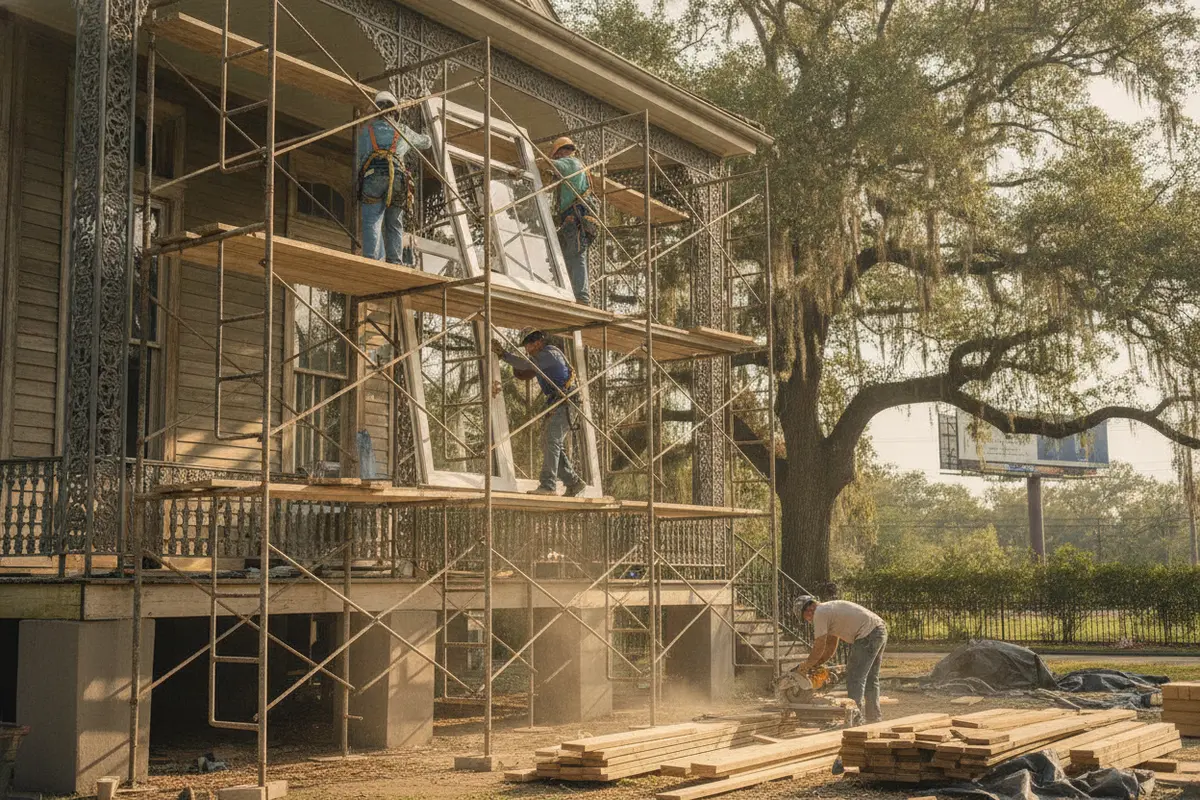
A useful example is a remodeler whose usual jobs are interior updates but who is considering exterior renovation work. The contractor should describe the new work, expected project settings, and equipment before accepting a job. The agent can then ask the carrier whether the revised scope is eligible and whether policy terms need to change. This is more reliable than trying to infer coverage from a general policy label.
Which policies may be part of a construction business plan?
Businesses often ask about a business owners policy, general liability, commercial property, commercial auto, or contractors insurance. The appropriate combination depends on the business and on carrier availability. Treat each label as a starting point for questions, not as proof that a specific loss is covered. Review insured property and operations, limits, deductibles, exclusions, endorsements, and conditions in the actual policy forms.
| Exposure to discuss | Coverage area to ask about | Useful review question |
|---|---|---|
| Claims alleging injury or damage to someone else’s property | Business liability coverage | Which operations and completed work are addressed, and what exclusions or limits apply? |
| Tools, machinery, materials, or business premises | Commercial property or contractors equipment options | Which items and locations are insured, and how is property value determined? |
| Company vehicles, trailers, or business driving | Commercial auto insurance | Are vehicle use, drivers, trailers, and hired or non-owned exposures described accurately? |
| Employees and workplace exposures | Employee-related coverage to review | Which obligations apply to this business, and what coverage can be considered? |
| Contract insurance requirements | Limits, endorsements, and evidence of insurance | Does the policy meet the exact contract wording, or is an endorsement needed? |
This table is a discussion guide, not a promise that any policy includes a coverage. Forms differ, and the issued contract governs. We can discuss business insurance information and commercial coverage resources with Louisiana companies.
How should you assess projects and contracts?
Before accepting a job, read the contract’s insurance provisions and any exhibits. Owners, general contractors, or lenders may request particular limits, additional insured wording, waivers, or evidence of insurance. These items are not interchangeable. A certificate provides insurance information, but it does not amend the policy or create coverage on its own.
- Gather the complete contract, including exhibits and scope documents that set out insurance obligations.
- Mark each requested limit, effective date, endorsement, and party that needs evidence.
- Ask your agent to compare the wording with the policy and available endorsements.
- Raise unclear terms early enough to resolve questions before the project start date.
- Keep the contract, certificate, and issued endorsements together in the project file.
Consider a general contractor asked to provide a certificate before mobilisation. The certificate request may be straightforward, but the underlying contract could also require specific wording or limits. The contractor should send the full requirement, not only a request to issue a certificate. That allows the insurance review to identify whether the existing policy meets the stated terms or whether the carrier must consider an endorsement.
For work outside the usual scope, contact your agency before work begins. A change in height, structural activity, project size, subcontracting, or location may affect underwriting. Do not assume that an earlier certificate or approval for another job applies to a new contract.
What should you know about tools and equipment?
Many construction businesses use hand tools, machinery, trailers, and materials stored at multiple sites or moved each day. Build an inventory that includes a description, ownership, approximate value for underwriting, and usual storage or work location. Separate business-owned items from rented, borrowed, or customer-owned property. Then ask how relevant coverage treats theft, transit, temporary storage, and equipment at a job site.
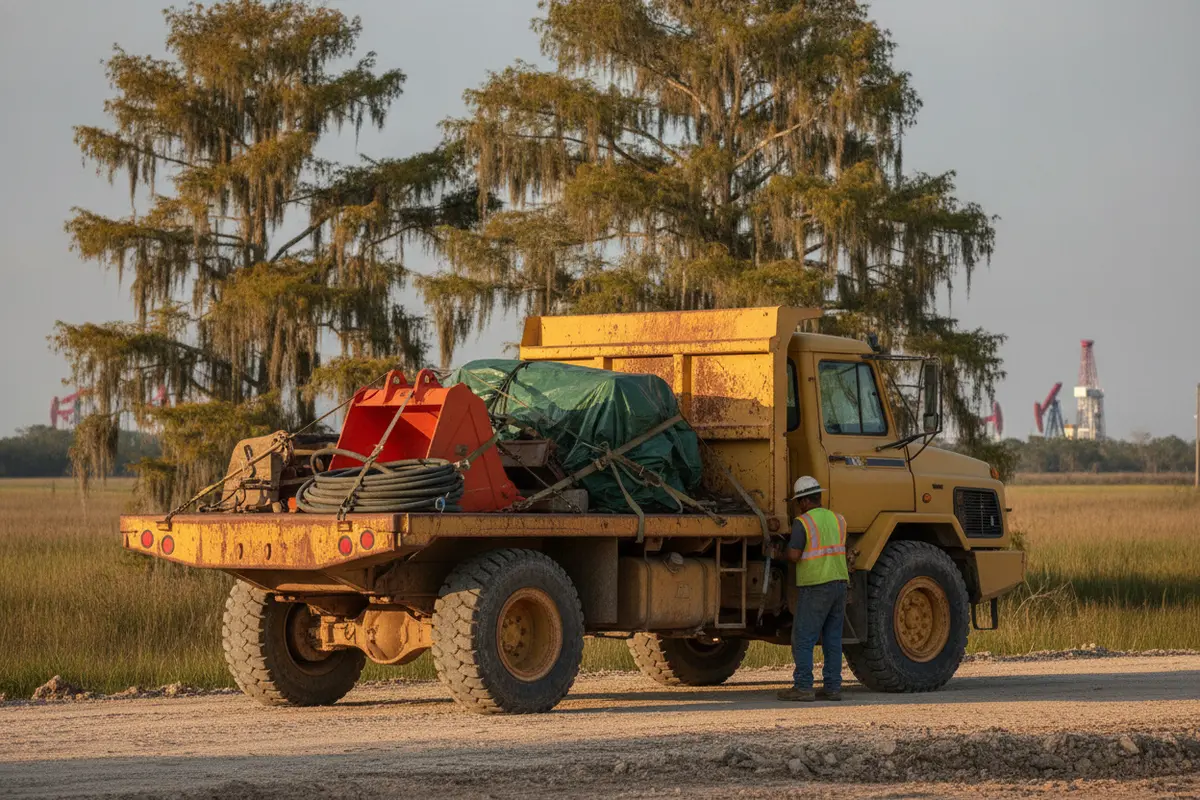
Think through a normal workday: equipment may be in a locked shop overnight, loaded into a trailer before dawn, used at a customer’s property, and returned to a different storage location. Tell the agent about each stage. Ask whether items need to be scheduled, whether values need documentation, whether security conditions apply, and how rented or borrowed equipment is handled. Coverage can vary according to the form and circumstances, so get the answer for the actual equipment and use.
Also clarify which policy or form is intended to address each category of property. A tool, a permanently installed item, building materials, and a customer’s property are not necessarily treated alike. Keep purchase records, serial numbers, photographs, and an updated inventory where practical. When equipment is sold, replaced, or moved to a new location, update the information used for the review.
How do employees and subcontractors affect the decision?
Prepare an accurate roster of employees, their roles, and the work they perform. Mention hiring plans, temporary or seasonal staff, and changes in payroll or operations when requested. Employee-related insurance obligations depend on the business and applicable rules. Ask the appropriate professional for legal guidance if you need a determination about an obligation.
For subcontractors, record the scope of work and how their insurance is documented. Collect current evidence as required by contract and your risk procedures, and check that names, dates, and project scope correspond to the work. Ask your agent how subcontracted work is treated by the carrier and what records the carrier expects. Another company’s insurance should not simply be assumed to protect your business.
A practical project file can include the subcontract, the scope, insurance evidence, and a note of when documents were checked. If a subcontractor’s role expands, or the work changes from the original description, revisit the file and ask whether the insurance review needs updating. Clear records help you see which parties are responsible for each task and what questions remain unresolved.
When does a construction company need commercial auto review?
Tell your agent how vehicles are used, who drives them, and whether they carry tools, materials, or trailers. Business use may differ from personal use. Vehicle information should reflect changes such as a new truck, a different driver, additional trailers, or a new work territory. Mention employee use of personal vehicles for business tasks and ask what options should be considered.
Bring vehicle details and driver information to the conversation. Review liability, physical damage options, vehicle classifications, and relevant exclusions or conditions. A pickup used for occasional supply runs may have a different pattern from a vehicle that regularly carries crews and equipment between sites. Describe the actual use rather than choosing a category based on appearance alone.
When comparing vehicle options, check that each submission lists the same vehicles, drivers, garaging details, and use. Report changes promptly, and ask how trailers and equipment being transported are treated. For related information, visit our auto insurance page and ask which commercial options are relevant to the company.
How can Louisiana conditions shape the review?
Louisiana contractors may work through heat, heavy rain, storms, and changing road or site conditions. These can affect schedules, storage plans, vehicle exposure, and how materials are protected. Review where equipment is secured, how materials are protected between delivery and installation, and how crews and vehicles move between sites. Consider both the regular workday and what happens when a project is delayed by weather.
For property risks, ask how the policy treats wind, water, named storms, and other causes of loss at the specific business location. Terms vary by policy and location. Do not presume that a business property policy includes flood coverage or a particular storm protection. Describe the premises, property, and exposures to your agent and review the contract terms. The Louisiana Department of Insurance is the state insurance regulator and provides consumer information.
Make the discussion concrete. If materials are stored outdoors between deliveries, explain where and for how long. If a shop or yard holds equipment, list that location. If trucks regularly cross low-lying roads on the way to jobs, include the route pattern as part of vehicle-use context. The goal is not to predict a loss, but to make sure the review reflects how the business operates in Louisiana.
Contractors with a business location can also review business coverage options. If the operation is run from a residence or equipment is kept at home, explain the arrangement rather than assuming a personal policy addresses business property or liability.
How do you compare quotes fairly?
Compare the structure of the proposed coverage, not only the bottom-line price. Submissions should describe the same trades, locations, project types, vehicles, equipment, and employee information. Differences in limits, deductibles, exclusions, endorsements, and valuation can make two offers look similar at a glance while addressing different details.
- Check that each quote describes the same operations and project mix.
- Compare limits and deductibles for each relevant coverage area.
- Review exclusions, conditions, and endorsements rather than relying on a summary label.
- Confirm tools, equipment, vehicles, and business locations are correctly listed.
- Ask what is not included and what information could change the terms at renewal.
- Get clarification in writing when a contract requirement is uncertain.
Use a side-by-side worksheet with one row for each concern. For example, note the liability limit, property locations, equipment treatment, vehicle schedule, contract endorsements, and any key exclusions. Mark each item as confirmed, different, or needing an answer. If one quote omits equipment that another lists, do not treat the lower total as a like-for-like comparison until the difference is understood.
As an independent agency, we can compare available options from multiple carriers we represent. Availability and terms vary by business, carrier, and underwriting review. We do not promise that every operation can be insured or that one option will fit every contractor.
What information should you prepare for an insurance review?
Organised records can make a review more useful. Gather the items below when available, and ask which documents are needed for your particular operation.
- A description of each trade, service, and project type.
- Current or anticipated contracts with insurance requirements.
- Employee roles and business operation details requested by the insurer.
- Vehicle, trailer, tool, and equipment inventories.
- Information about subcontractors and how their insurance is documented.
- Business property locations, storage arrangements, and security measures.
- Existing policies, declarations, endorsements, and loss information requested for underwriting.
Before the meeting, identify the questions that matter most. A contractor with a new commercial project may prioritise contract wording. A firm purchasing machinery may focus on values, storage, and transit. A company hiring employees may need to discuss how its operations and staffing are represented. A short list keeps the conversation tied to actual decisions rather than generic policy labels.
After the review, keep notes of what was confirmed, what is still pending, and who will follow up. Do not treat an estimate or informal explanation as a substitute for the issued policy and endorsements. When the business changes, share the updated details promptly so the carrier can consider whether the change affects eligibility or terms.
How can an independent agency help?
An independent agency can discuss the operation and compare available carrier options rather than being limited to one insurer. At GAMA, we work with businesses in Louisiana and can help organise a coverage review, explain the differences presented, and identify questions that need carrier confirmation. The policy forms and endorsements issued by the insurer determine coverage.
To prepare for a review, use our contact page and provide a concise overview of trade, projects, equipment, staff, vehicles, and contract requirements. You can also read our commercial insurance information and business insurance resources while gathering documents.
Contact us to review construction business coverage
Frequently asked questions
Is a business owners policy enough for every contractor?
No. A business owners policy may combine certain coverages, but eligibility, included protections, exclusions, and limits depend on the insurer and policy form. Review the actual work, equipment, vehicles, contracts, and employee exposures to identify what needs separate consideration.
Does general liability cover damage to my own tools?
Do not assume it does. Liability coverage generally addresses specified claims by others, while business property or contractors equipment coverage may be relevant to property the business owns or uses. The policy wording and cause of loss matter, so ask how particular items are treated.
Does a certificate of insurance meet every project requirement?
Not necessarily. A certificate provides insurance information and does not change policy terms. Compare contract requirements with the policy and any applicable endorsements, and address gaps before the project starts.
Should I tell my agent when I take on a new type of work?
Yes. A new trade, larger project, different location, or increase in subcontracting can affect underwriting and coverage needs. Contact your agent before work begins so the change can be reviewed.
Can an agency guarantee that a carrier will cover my operation?
No. Each carrier applies its own underwriting rules, and terms depend on business details and the policy issued. We can discuss options available through our carrier relationships, but coverage remains subject to insurer review and contract terms.
When evaluating insurance for a Louisiana construction business, start with the work and contracts, then compare equipment, employees, vehicles, and property against the policy wording. A careful review before the next project helps you ask specific questions and keep insurance details aligned with changing operations.


