
Water damage is not one single insurance situation for a Louisiana renter. Rising water from outside, a burst pipe, an appliance leak and damage to the building can each be treated differently.
Contact GAMA to review your coverage and water-loss questions.
So, does renters insurance cover flood damage? Standard renters insurance generally does not cover flood damage caused by rising external water. Separate contents flood coverage may be available for a tenant’s belongings, but policy terms, exclusions, deductibles, limits and the facts of the loss control.
Request an insurance quote or coverage review.
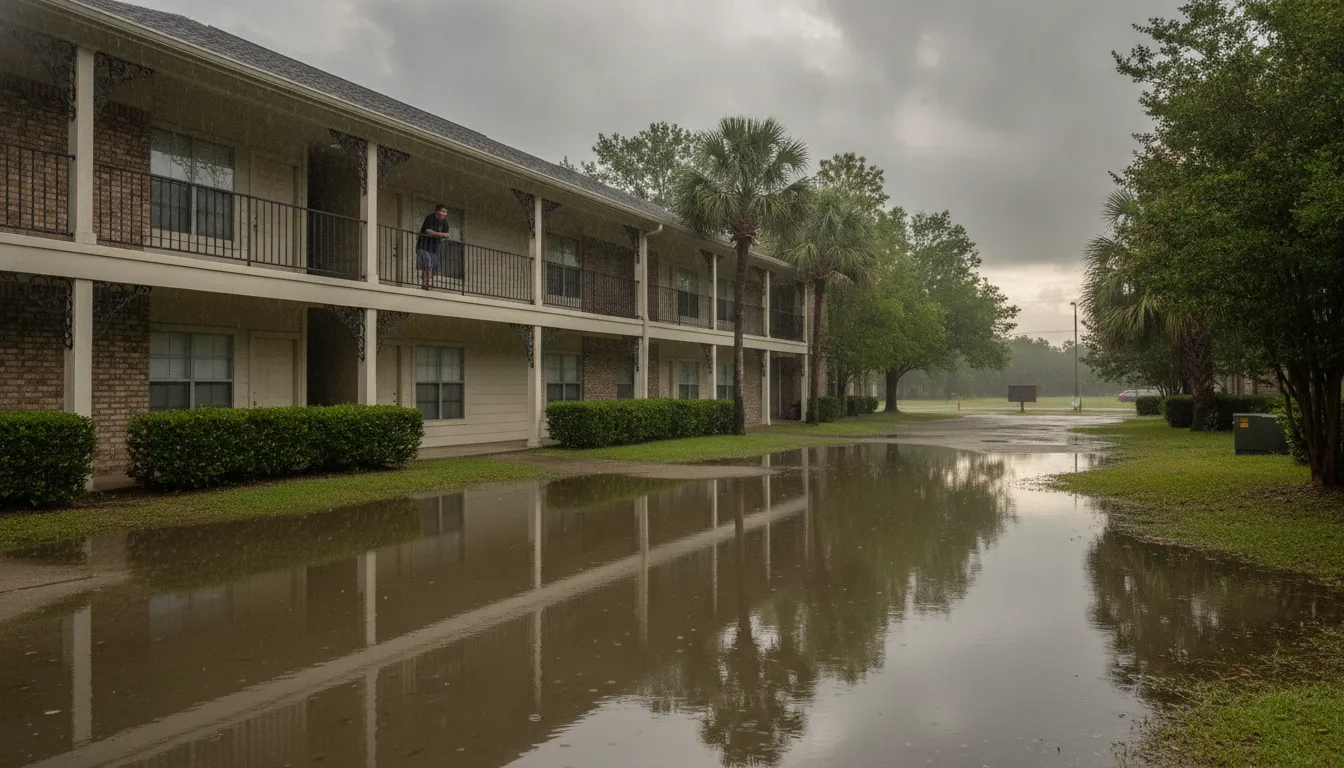
That distinction matters in communities such as Kenner, Greater New Orleans and Baton Rouge, where coastal storms, heavy rain and inland flooding can create different risks. Start by identifying where the water came from, then compare that scenario with your policy wording before assuming your belongings or living expenses are protected.
Does renters insurance cover flood damage in Louisiana?
Does renters insurance cover flood damage? In most cases, a standard renters policy does not cover damage caused by rising water that comes from outside the rental property. That can include water entering after heavy rain, storm surge, or an overflowing waterway. The National Flood Insurance Program explains this distinction and offers contents-only flood coverage for renters through its flood insurance programme: FloodSmart’s renters flood insurance guidance.
That exclusion does not mean every water-related loss is treated as a flood claim. The source and path of the water matter. Rising external water is different from a sudden, accidental leak that starts inside the unit, such as a burst supply line or plumbing failure. Whether an internal water loss is covered still depends on the policy wording, exclusions, deductible, limits, and facts of the incident. Do not assume that a water loss is covered, or excluded, without checking the policy and speaking with the insurer or agent.
Renters insurance generally protects a tenant’s personal belongings and liability exposure, not the building itself. A landlord’s flood policy may protect the structure under its terms, but it does not cover your furniture, clothing, electronics, rugs, or other belongings. A renters flood policy is designed to address those contents, subject to its own limits, exclusions, deductible, and claims rules.
This distinction matters in Kenner, Greater New Orleans, Baton Rouge, and other Louisiana communities with coastal, storm, or inland flood concerns. Review your declarations page, personal-property limit, exclusions, and endorsements before a loss occurs. If you are comparing renters insurance coverage options, an agency review can help identify questions to raise with the carrier and whether separate flood protection may be appropriate for your situation.
Flood damage versus other water damage: why the source matters.
When water damages a rental, the visible result can look similar, but the source and path of the water can change how a claim is assessed. Standard renters insurance generally excludes flood damage caused by rising water from outside the building. The National Flood Insurance Program explains flood policy options, including contents-only protection that may be available to renters.
| Water event. | Typical source. | What to check. |
|---|---|---|
| External floodwater. | Rising water from heavy rain, storm surge, overflowing waterways or surface runoff. | Renters insurance flood exclusion; separate contents flood coverage; flood definition and deductible. |
| Burst pipe. | A supply pipe, heating system or plumbing component breaks inside the building. | Sudden and accidental water damage terms, maintenance facts, resulting-damage limits and deductible. |
| Appliance leak. | A washing machine, water heater, dishwasher or other appliance releases water. | Cause of the leak, wear-and-tear exclusions, personal property damage and loss-mitigation steps. |
| Sewer backup. | Water or sewage backs up through a drain or sewer connection. | Whether backup coverage was selected, the endorsement limit, exclusions and deductible. |
| Landlord-building damage. | Water damages walls, floors, ceilings or other parts of the rented structure. | The landlord’s homeowners insurance coverage, lease responsibilities and the cause of loss. |
This is why the answer to “does renters insurance cover flood damage” cannot be determined from the word water alone. A pipe that suddenly bursts inside the property is a different event from floodwater entering through doors, windows or foundation openings. A sewer backup may also require a specific endorsement rather than relying on the policy’s standard water-damage provisions.
Coverage decisions depend on the exact policy wording, exclusions, deductible, limits and facts surrounding the loss. Renters insurance generally addresses a tenant’s belongings and certain liability or additional-living-expense situations, not the landlord’s building itself. If water has entered your Louisiana rental, document where it came from, photograph damage when safe. Notify the landlord promptly and review the policy before assuming that a claim is covered.
What does renters flood insurance protect?
For a renter, flood protection is generally focused on personal belongings inside the rental, not the building itself. A contents-only flood policy may help address covered damage to items such as furniture, clothing, televisions, computers, rugs and some artwork. The exact protection depends on the policy wording, limits, exclusions and deductible, so treat these examples as a guide rather than a coverage determination.
The distinction matters because a landlord’s building policy is intended to address the structure and the owner’s insured interests. It does not ordinarily cover a tenant’s personal belongings. If rising water enters an apartment or rental home, the landlord may have insurance for eligible building damage, while the renter needs separate protection for eligible contents. You can learn more about renters insurance coverage options when reviewing how personal property and liability coverage fit your situation.
What belongings may be included?
FloodSmart identifies common renter belongings that may be protected by contents coverage, including furniture, clothing, electronics and rugs. The National Flood Insurance Program explains the difference between coverage for a rental building and coverage for a renter’s contents in its official flood insurance guidance. A separate flood policy may be relevant because standard renters insurance generally excludes flood damage caused by rising external water.
Keep in mind that an item being inside your rental does not automatically mean it is covered. A policy may apply limits to certain property, exclude particular causes of loss or use a specific method to value damaged belongings. Review your declarations page and ask how the personal-property limit, deductible and valuation basis would apply to the things you would need to replace.
What is usually outside the renter’s responsibility?
Flood insurance for renters is not designed to insure the landlord’s walls, roof, foundation or permanently installed systems. Those building concerns belong with the owner’s insurance arrangements, subject to the owner’s policy terms. Your own coverage discussion should centre on your belongings, any relevant additional protections and the responsibilities set out in your lease.
For Louisiana tenants in coastal communities, Greater New Orleans and inland areas. A careful review can clarify the gap between building coverage and contents coverage before a storm or flood occurs. Policy terms and the facts of a loss control any claim decision.
Should Louisiana renters consider separate flood coverage?
For many Louisiana renters, separate flood coverage is worth considering, particularly when the rental is in an area exposed to coastal flooding, storm surge or heavy rainfall. It may also be relevant inland, where flooding can affect properties away from the coast. The right decision depends on the location, the building and the belongings you would need to replace, not simply on whether the property has flooded before.
Kenner and the wider Greater New Orleans area can face coastal and hurricane-related water risks, while Baton Rouge renters may also need to think carefully about inland flooding. You can learn more about local considerations through our insurance help in Kenner and Baton Rouge insurance agency resources. Local context is useful, but it does not replace reviewing the specific flood maps, drainage conditions and construction features around your rental.
Consider the location and the belongings at risk
Ask how water could reach the property. Possible concerns include storm surge near the coast, intense rain that overwhelms drainage, and rising water from an inland event. Ground-floor apartments, homes near waterways and properties with a history of water intrusion may deserve closer attention. Although a low perceived risk is not the same as no risk.
Then consider what you own. Furniture, clothing, electronics, rugs and other personal belongings can represent a significant loss even when the landlord owns the building. A landlord’s flood policy generally protects the building rather than a renter’s contents. Standard renters insurance generally excludes flood damage caused by rising external water, so the question does renters insurance cover flood damage cannot be answered from the policy name alone. The cause and path of the water, the policy wording, exclusions, deductible and limits all matter.
Review before you decide
Check your declarations page and exclusions, then ask whether your current policy addresses the water scenarios most relevant to your rental. A policy review can also help identify contents limits, endorsements and gaps without assuming that a particular option is available or suitable. If you are unsure, contact GAMA for a policy review so your location and personal circumstances can be discussed before you make a decision.
How can renters prepare before a flood or water loss?
Preparation helps you identify coverage gaps before a storm or leak makes decisions urgent. It is especially useful for tenants in coastal, storm-prone and inland areas of Louisiana, where the source and path of water can affect how a loss is handled.
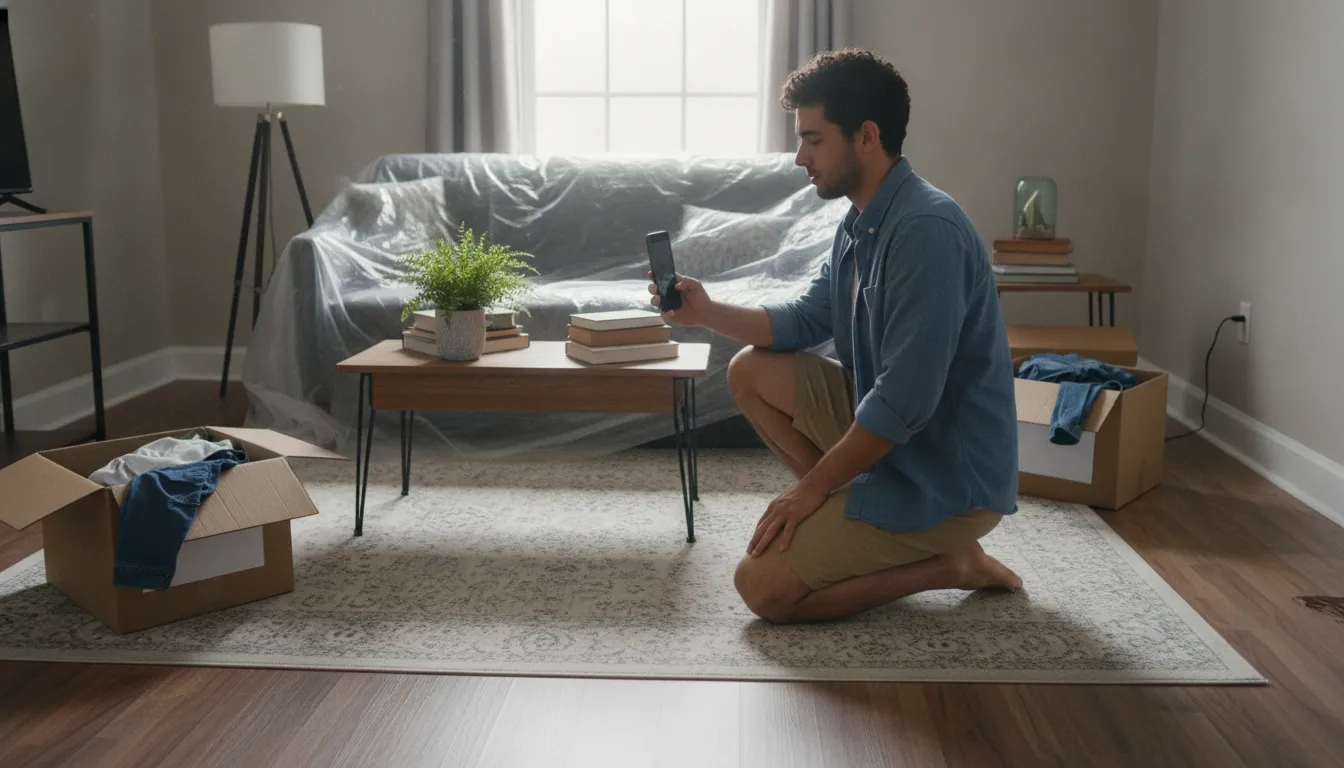
- Inventory your belongings. Walk through each room and record furniture, clothing, electronics, rugs and other valuable items. Note approximate age or condition, keep receipts when available, and take photos or video. Store the inventory somewhere safe outside the rental unit or in secure cloud storage. This can make it easier to describe what was damaged, although policy terms do not guarantee payment.
- Read the declarations page and exclusions. Check your personal-property limit, deductible, coverage basis and endorsements. Pay particular attention to water-related exclusions. Standard renters insurance generally does not cover flood damage from rising external water, while a sudden accidental leak originating inside the unit may be treated differently. The cause, policy wording and loss facts control. The National Flood Insurance Program explains renters flood contents coverage and its limits.
- Ask specific water-loss questions. Instead of asking only whether your policy covers “water,” ask how it addresses rising floodwater, storm surge, rain entering after wind damage, a burst pipe and sewer backup. If you are unsure whether renters insurance covers flood damage, ask what separate contents protection may be appropriate for your belongings.
- Clarify landlord responsibilities. Your landlord generally handles the building under the lease and applicable law, but the landlord’s flood policy does not protect your personal belongings. Ask where emergency procedures, shut-off information and property-management contacts are kept. Do not assume building repairs mean your furniture or clothing is insured.
- Store records safely. Keep your policy, declarations page, lease, inventory and important contact details in a waterproof container or secure digital location. Make sure a trusted household member or roommate knows where they are, particularly if you may need to evacuate quickly.
- Plan for local storm risk and review options. Consider evacuation routes, where you could move essential belongings and how you would communicate with your household. Before storm season, we can help you review available coverage options and questions without assuming a claim will be covered. Request a quote review from GAMA when you are ready.
What should you do after water damages your rental?
Start with people, not property. Move yourself, household members and pets away from electrical hazards, contaminated water, unstable flooring or other immediate dangers. If anyone is injured or the situation is unsafe, contact the appropriate emergency service. Do not enter standing water where electricity may be present, and do not attempt repairs beyond what you can safely manage.
Next, notify your landlord or property manager promptly. They need to know about damage to the building and may have an emergency maintenance process. Also notify your renters insurance company or agent as soon as practical, using the reporting instructions in your policy. The cause and path of the water matter, so explain what happened without assuming that the loss is covered. Policy wording, exclusions, deductibles and the carrier’s claim decision control.
Once it is safe, document the scene before moving or discarding anything. Take photographs and video of affected rooms, belongings, flooring, walls and visible water entry. Make a brief written timeline, including when you noticed the damage, what you reported and who responded. Keep copies of emails, texts, claim references, receipts and any instructions you receive.
Take reasonable steps to prevent further damage only when doing so is safe and does not interfere with emergency work. For example, you may be able to move undamaged belongings to a dry area or place a container under a small active leak. Ask the landlord or insurer what mitigation they want arranged. Preserve damaged property for inspection unless it creates a health or safety risk, and keep receipts for approved emergency expenses.
Ask whether temporary living arrangements or additional living expense coverage may apply to your circumstances. Do not assume a hotel, meals or other costs will be reimbursed. Request guidance before making significant commitments, and keep records of every expense connected with the loss.
Contact GAMA to discuss your policy and your next questions after a water loss.
A coverage review can help clarify what your policy says about floodwater, internal leaks, personal belongings, deductibles and temporary living arrangements. It cannot replace the carrier’s claim instructions, so follow those instructions carefully and keep communication in writing where possible.
What should Louisiana renters ask about flood coverage?
Before choosing or reviewing a policy, ask questions that clarify what caused the water, what could be protected, and what you would need to pay yourself. A useful conversation should cover:
- How does the policy define flood? Ask whether rising water entering from outside is treated differently from a sudden leak that begins inside the rental unit. The cause and path of the water can affect how the loss is evaluated.
- Which water sources are covered or excluded? Ask about storm surge, overflowing drainage, heavy rain, groundwater, a burst pipe, and water entering through doors or windows. Do not assume similar-looking damage has the same coverage.
- Would my belongings have flood protection? Ask whether contents coverage is included, available separately, or unavailable for the situation you are considering. Confirm the personal-property limit and whether it is enough for furniture, clothing, electronics and other belongings.
- What deductible would apply? Ask whether the deductible changes by cause of loss, policy, endorsement or flood coverage. Also ask how a deductible would affect a claim payment.
- What exclusions or limits should I know about? Request a plain-language explanation of exclusions, sublimits and items that may need special attention. Policy terms, not general assumptions, control.
- Could additional living expenses apply? If the rental becomes temporarily uninhabitable, ask whether additional living expenses are available for the specific cause of damage and what conditions or limits apply.
- Are there waiting periods? If separate flood coverage is being considered, ask whether a waiting period applies, when it begins, and whether any exceptions are relevant. Do not wait until a storm is approaching to ask.
- How should I report and document a loss? Ask whom to contact, how quickly to provide notice, what photos or inventory records to keep, and whether damaged property should be preserved until instructions are given. Put safety first and notify your landlord as appropriate.
For a broader review of renters insurance coverage options or help applying these questions to your circumstances, contact GAMA Insurance Agencies. Available options and claim decisions depend on the policy and carrier.
Frequently Asked Questions
Does renters insurance cover flood damage?
Standard renters insurance generally excludes flood damage caused by rising water that enters from outside. The cause and path of the water matter, so review the policy wording, exclusions, deductible and loss facts before assuming coverage. FloodSmart explains the distinction between standard renters insurance and flood protection.
Should a renter get a separate flood policy?
It may be worth considering if you live in a coastal, storm-prone or inland area, or if replacing your belongings would be difficult. The National Flood Insurance Program offers contents-only flood protection for renters. A policy review can help you compare the available options, limits and exclusions for your circumstances.
Does renters insurance cover water damage from a burst pipe?
Some policies may cover sudden accidental damage from an internal source, such as a burst pipe, but coverage depends on the policy and the facts of the loss. That is different from rising external floodwater. Check your declarations page and endorsements, and report a loss promptly as your policy requires.
Does my landlord’s flood insurance cover my belongings?
Usually, no. A landlord’s policy generally addresses the building and the owner’s interests, not a tenant’s furniture, clothing, electronics or other personal property. FloodSmart advises renters to consider contents coverage for their own belongings, subject to policy terms and limits.
What should I do after water damages my rental?
Put safety first, then notify your landlord and insurer or agent promptly. Photograph or video the damage, prevent further damage only when it is safe, keep records and preserve damaged property until you receive instructions. Policy and carrier claim procedures control the next steps.
Contact us about your renters coverage
A policy review can help you understand how your current renters coverage treats flood, water damage, belongings and policy limits before you need to rely on it. We can discuss your questions and the next practical step based on your circumstances.
Contact GAMA through the website for a renters coverage review or quote request.


