
Flood risk in Louisiana is not limited to properties beside a river or in a mapped high-risk area. If you are researching fema flood insurance, start by separating the federal programme from the insurance policy you may be able to buy. The distinction matters when you compare options, ask about eligibility and review what a policy actually covers.
Ask us to help you review your flood coverage questions
In brief: FEMA administers the National Flood Insurance Program (NFIP), while eligible policies are generally sold and serviced through participating insurers or NFIP Direct. NFIP coverage is separate from a standard homeowners policy, and the limits, covered property, exclusions and claim conditions depend on the policy form. Louisiana owners and renters should check those details against their property, belongings and flood exposure rather than relying on a map label or a general description.
Contact our Louisiana agency to discuss what to ask
What does FEMA have to do with flood insurance?
FEMA is the federal agency responsible for administering the NFIP. The programme was created to make flood insurance available in participating communities and to support floodplain management. FEMA sets programme rules and policy frameworks, but it is useful to be precise about what the agency does and what an individual insurer does.
The Congressional Research Service describes the NFIP as the primary source of flood insurance coverage for residential properties in the United States. Its overview helps explain the programme’s role, but it does not tell you whether a particular home, apartment or set of belongings will qualify for a specific policy. For that, the written application and policy documents matter. Read the Congressional Research Service introduction to the NFIP.
NFIP policies can be purchased through participating insurance companies that write and service coverage on FEMA’s behalf, or through NFIP Direct, according to this government flood-insurance guide for real estate professionals. A policyholder may therefore communicate with an insurer or servicing organisation rather than directly with FEMA for routine policy and claim matters. The declarations, contract and endorsements identify the actual terms that apply.
In everyday conversation, “FEMA flood insurance” is often used to mean NFIP coverage. It is not a promise that FEMA will pay for every flood-related loss, nor does the phrase describe every flood policy available. Avoid treating a federal map, a lender’s requirement or an agent’s preliminary explanation as a substitute for confirming the written coverage.
How does NFIP coverage differ from homeowners insurance?
A standard homeowners policy generally does not cover damage caused by flooding as defined in its policy. The exact wording and any endorsements vary, so read your own policy rather than assuming that water damage is either always included or always excluded. A separate flood policy may address certain direct physical losses caused by a flood, subject to its definitions, limits, exclusions and conditions.
The difference between flooding and other water damage can be important. A roof leak during a storm, wind-driven rain entering through a damaged opening, a plumbing failure and rising water across normally dry land may be treated differently. The cause, point of entry, timing and policy definition can affect how a claim is assessed. If your home has both water and wind damage after a Louisiana storm. Document what you see and ask the insurer how to report each part of the loss.
Do not infer coverage from a product name. Ask for the policy form and any endorsements, then identify which policy would respond to each type of damage you are concerned about. If you are reviewing homeowners protection as well, our home insurance information can be a starting point for a wider property-policy conversation. The actual wording from your carrier remains controlling.
What should Louisiana homeowners ask about an NFIP policy?
Homeowners should look at both the building and the contents. These are separate coverage questions, and a limit for one category should not be assumed to apply to the other. Check the declarations page for the amount shown for each category and confirm whether the policy form uses replacement cost. Actual cash value or another settlement method for the property at issue. Rules can vary by property type and eligibility.
Ask the insurer or agent to explain the following points in writing where possible:
- Building eligibility and occupancy: Confirm the property type, use and occupancy information supplied on the application. A primary residence, seasonal home, rental dwelling and unit in a larger building may not be treated identically.
- Building limit: Check whether the amount would be adequate for the eligible parts of the structure, and understand any programme limit that applies. A limit is the maximum available under specified terms, not a valuation of the home.
- Contents limit and location: Confirm which belongings are insured, where they must be located and how the policy values them after a covered loss. Keep an inventory and photographs outside the property.
- Deductibles: Find out what deductible applies to building coverage and contents coverage. Ask whether the amounts differ and how they affect a claim.
- Basement and below-grade areas: Ask how the policy defines a basement and which building equipment, finishes or belongings in that space are eligible. Do not assume every finished area or item is covered.
- Additional living costs: Ask whether temporary accommodation, loss of use, business interruption or other expenses are covered. Do not assume flood coverage provides these benefits.
- Debris removal and mitigation requirements: Ask what conditions apply after a flood and what evidence, invoices or photographs may be needed.
A useful review compares the coverage categories with the way the building is constructed and used. For example, a homeowner with a raised house should ask how the lowest floor, enclosed areas and utilities are treated. A homeowner with a slab-on-grade property should ask about the building components and equipment most exposed to water. Neither example determines coverage by itself; the policy wording and facts of a loss do that.
What should renters ask about flood insurance?
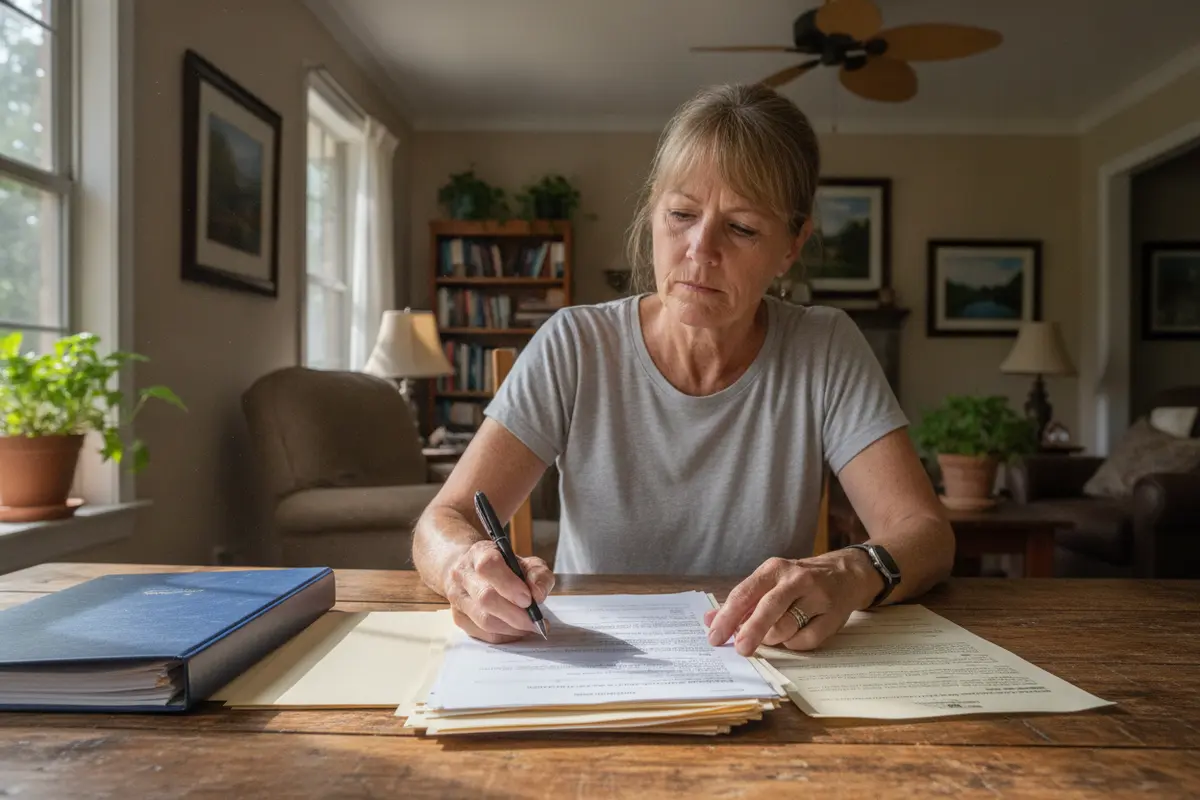
Renters may need to ask a different set of questions from a homeowner. A landlord’s building policy is not the renter’s personal property policy. Ask whether a separate flood policy is available for your belongings, what property it can cover and whether the policy includes any benefits for temporary living arrangements. Do not expect the landlord’s insurance to pay for your furniture, clothing, electronics or other personal items unless the applicable policy specifically provides that protection.
Before choosing coverage, make a basic room-by-room inventory. Record major items, keep receipts for higher-value belongings and save photographs or video in secure cloud storage. Include items stored in a garage, storage room or lower level, and ask whether their location changes eligibility or coverage. A renter in an apartment building should also ask how the building’s construction and shared spaces affect the policy. Rather than assuming the landlord’s flood policy covers all residents’ possessions.
Renters should also check how a policy values belongings and whether any categories have special limits or exclusions. Ask how a claim would work if only some rooms or items were affected, and what proof the insurer expects. If you also have an auto policy, review it separately. Our auto insurance page provides information about that distinct coverage line, but an auto policy does not replace a flood policy for a residence or belongings.
How do location maps and lender requirements fit in?
Flood maps can help describe a property’s mapped risk, and lenders may have insurance requirements tied to the loan and property location. Neither point is a complete assessment of the risk to your particular building. Local drainage, rainfall, nearby construction, elevation, coastal influences and the condition of the property can all matter. Flooding can occur outside a mapped high-risk area, so a lower-risk map designation should not be read as a guarantee that a loss cannot happen.
If a lender tells you insurance is required, ask what evidence it needs, which types of policies it will accept and when coverage must begin. If insurance is not required, that does not answer whether coverage is appropriate for your circumstances. Consider what you could afford to repair or replace, which belongings are at risk and whether you could manage displacement after a loss.
When reviewing a map or lender notice, write down the specific property address and the question you need answered. Then ask the insurer to explain how the application reflects the building’s location and use. Do not rely on a general map screenshot to establish a policy’s eligibility, limit or coverage. Keep any lender communications with your policy records so you can check that the selected policy satisfies the relevant requirement.
What policy terms deserve a close read?
Two policies described casually as flood insurance may differ in important ways. A comparison should use the actual documents, not just a quote summary or a headline limit. These are the main items to check:
| Policy detail | What to check | Question to ask |
|---|---|---|
| Insured property | Building, contents or both, plus any location restrictions | Which structure, rooms and belongings are included? |
| Limits and valuation | Separate limits, settlement basis and any special sublimits | How is a covered item valued, and what is the maximum payable? |
| Deductible | Amount and whether it applies separately to building and contents | What portion of a covered loss would I pay? |
| Definitions and exclusions | Meaning of flood, excluded causes and property not covered | How could the policy treat water entering this specific part of my property? |
| Effective date and waiting period | When coverage begins and exceptions that may apply | What date will protection begin, and are there circumstances that change the waiting period? |
| Claims conditions | Notice deadlines, documentation and duties after a loss | What must I do first, and what records should I keep? |
| Additional benefits | Temporary housing or other costs, if any | Are these expenses covered, limited or excluded? |
This table is a review checklist, not a statement that every policy offers the same benefits. Ask for answers using the exact policy form under consideration. Where a response is unclear, request the relevant section or endorsement and read it before binding coverage.
Pay particular attention to the difference between the amount shown on a quote and the amount that could be paid for a particular item. A building limit does not automatically establish that every repair, upgrade or code-related cost is insured. Likewise, a contents limit may be subject to category restrictions, location rules, or a valuation method that affects payment. Ask the insurer to walk through a realistic example relevant to your property, then identify the policy language that governs it. Treat the example as an explanation, not a guarantee of how a future claim will be settled.
Timing deserves the same care. A policy’s effective date, waiting period and any exceptions can depend on the circumstances and policy terms. A purchase connected with a property transaction or a lender requirement may be treated differently from a policy purchased at another time. So do not assume an exception applies. Ask the insurer to confirm the start date in writing and make sure it aligns with the date you need coverage. Keep confirmation with the policy records rather than relying only on a verbal estimate.
How can you compare an NFIP quote with another policy?
Start by confirming that both quotes insure the same property, occupancy and categories of property. Then compare limits, deductibles, valuation, exclusions, waiting periods, claim conditions and any additional benefits line by line. If one quote provides a larger headline limit, it may still have different restrictions or settlement terms. If one excludes a cost that matters to you, a lower or higher limit alone will not explain the difference.
Use this sequence to make a practical comparison:
- Gather the documents. Collect the declarations, application details, policy form and endorsements for each option. A quote summary is not the full contract.
- Verify the facts. Check the address, building type, occupancy, floor information and selected limits for errors.
- Compare like with like. Separate building coverage from contents coverage. Record different deductibles and special limits rather than combining them into one figure.
- Test real scenarios. Ask how each option could respond to water affecting the ground floor, a lower-level utility, stored belongings or a period away from home. Ask what is excluded as well as what may be covered.
- Confirm the start date and claims process. Check when protection begins, how to report a loss and what records are required.
- Keep the final documents. Save the binder or policy, proof of payment and any written explanations with your home records.
We can help you frame the questions that matter when you review an NFIP quote alongside another policy. And we can explain general distinctions in limits, exclusions, waiting periods and claim conditions. We are not presenting GAMA as a verified current flood-market provider. And we do not want a general discussion to be mistaken for a coverage comparison, eligibility decision or binding instruction. Eligibility, availability and coverage depend on the insurer and the written contract. Review the declarations, policy form and endorsements carefully, then contact us with your policy questions so we can help you understand what to ask and where the written terms control.
What should you do before and after a flood?
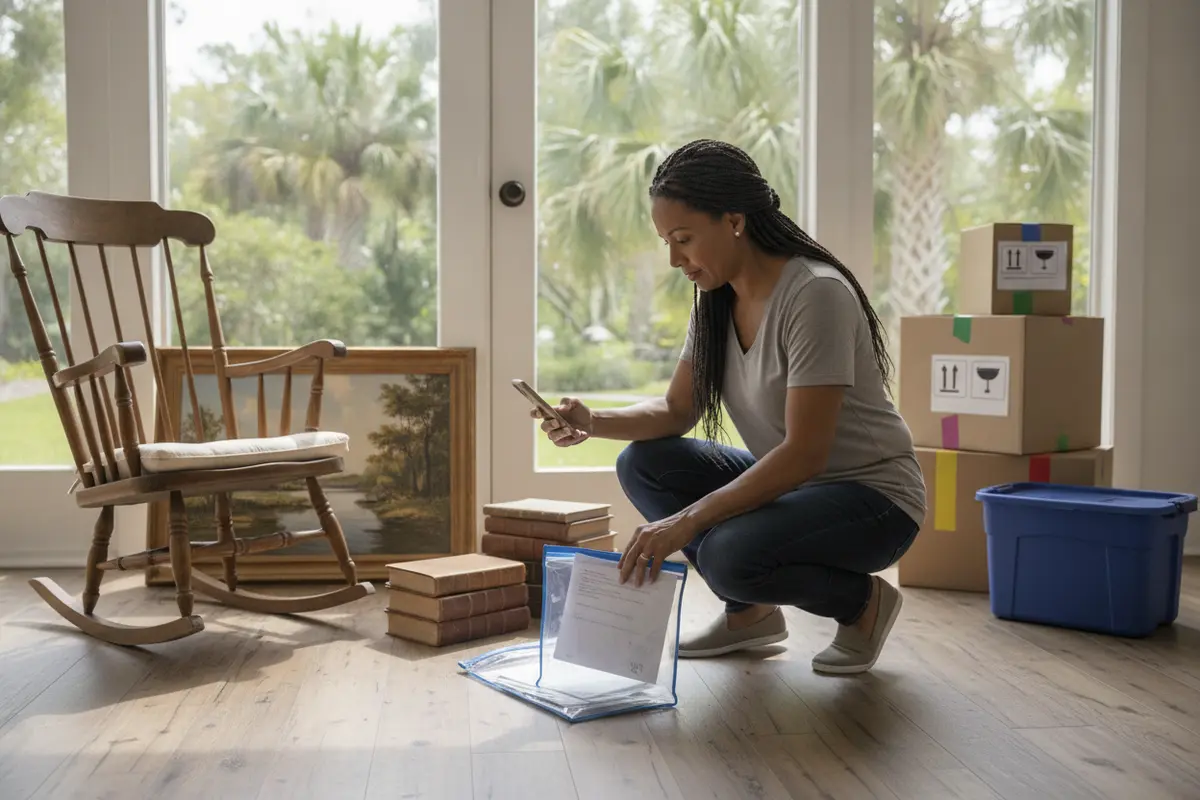
Preparation can make it easier to understand what was damaged and submit a complete claim, although it cannot guarantee payment. Before a storm or flood threat, take dated photographs of rooms, appliances and belongings. Store policy documents, an inventory, receipts and insurer contact details somewhere accessible if you cannot return home. Ask your insurer what emergency steps are safe and required, and never put yourself at risk to protect property.
After water enters a property, follow local emergency instructions first. When authorities say it is safe to return, photograph and video the damage before discarding items or starting repairs, where doing so is safe. Contact the insurer promptly and keep a log of calls, claim numbers, dates and instructions. Make temporary repairs to prevent further damage when it is safe, retain receipts and avoid permanent repairs until the insurer has explained its inspection process. Keep damaged items and samples when practical, unless safety or health concerns require their removal.
Flood and wind damage may involve different policies or adjusters. Describe what happened as accurately as possible and ask how to report each source of damage. Do not guess at the cause if you do not know. Keep copies of estimates, receipts, photographs and written communications. If a claim decision is unclear, ask the insurer to identify the policy language and facts it relied on, and follow the policy’s process for questions or review.
How can Louisiana property owners prepare for a coverage conversation?
A short, organised conversation can be more useful than asking only, “Am I covered?” Before contacting an agent or insurer. Gather the property address, approximate construction details, occupancy, lender requirements and any policy documents you already have. List the rooms, systems and belongings you are most concerned about. If you have experienced water entry before, describe when and where it occurred without assuming the same cause or coverage will apply in the future.
Consider bringing these questions:
- Is this policy available for my property type and how I use the property?
- Which building and contents limits are being quoted, and what valuation basis applies?
- What exclusions or special limits are most relevant to my home or belongings?
- How does the policy treat below-grade areas, detached structures and equipment?
- When does coverage begin, and are there waiting-period exceptions that apply to my situation?
- What costs after a flood are not covered?
- What steps and evidence will be required if I have a claim?
- Can I receive the full policy form and endorsements before I make a decision?
We can help you organise questions for a coverage conversation and explain general distinctions between building, contents, exclusions and policy conditions. Our role here is educational: we are not presenting flood-market availability or comparing flood policies in this article. Ask for the full policy form and endorsements, then review the wording that applies to your property and belongings.
Coverage, eligibility and claims decisions depend on the insurer and the written contract. We cannot promise that a particular loss will be covered, so use the conversation to clarify terms before you need them. Contact us to discuss how to frame your policy questions.
For additional local context, browse an issue of Our Hometown Magazine, then bring your specific policy questions to a coverage discussion. The goal is to understand the contract before a storm, not to rely on assumptions after a loss.
Request a conversation about your flood coverage questions
Frequently asked questions
Is FEMA flood insurance the same as an NFIP policy?
People often use “FEMA flood insurance” to refer to coverage through the NFIP, which FEMA administers. The policy is issued or serviced through an authorised channel, and the written contract determines the coverage. The phrase alone does not establish that a home or item is insured.
Does a homeowners policy cover flood damage in Louisiana?
Standard homeowners coverage generally excludes flood damage, but policy language and endorsements vary. Review the exclusions and definitions in your own contract, and ask how it distinguishes flooding from wind-driven rain, roof leakage or plumbing water.
Can renters get flood insurance for personal belongings?
Renters may be able to seek separate flood coverage for personal property, subject to availability, eligibility, limits and exclusions. Ask specifically about belongings, their storage location, valuation and temporary living expenses. A landlord’s building policy should not be assumed to insure a tenant’s possessions.
Does living outside a high-risk flood zone mean I do not need coverage?
No map label can guarantee that a property will never flood or determine whether coverage makes sense for your circumstances. Maps and lender requirements are useful information, but consider the property’s exposure, your ability to recover from a loss and the policy terms available to you.
When should I buy coverage before a storm?
Ask the insurer about the effective date and waiting period before you need protection. Do not assume a policy can be purchased at the last moment and provide immediate coverage, and ask whether any specific exception applies to your circumstances.
Careful review before storm season can help Louisiana owners and renters understand the limits of their protection and decide what questions still need an answer.


