
After a crash on Airline Highway or the I-10, the first question is usually simple. What will the policy actually pay, and for whom? Personal auto liability coverage is the part that can pay other people when you are legally responsible, up to the limits printed on your declarations page.
Request a quote and we will read those liability limits with you.
Personal auto liability coverage generally pays for bodily injury and property damage you are legally responsible for causing. That includes covered losses caused by family members or other permitted drivers of your vehicle, up to the policy limits. Louisiana requires liability insurance on vehicles you own. The state minimum split limits are 15/30/25, according to the Louisiana Department of Insurance consumer guide.
Contact us if you want a second set of eyes on the declarations page before you renew.
We are GAMA Insurance Agency LLC, an independent agency in Kenner and Baton Rouge. We shop more than one carrier, so this guide explains the coverage itself rather than one company’s form. The Louisiana minimum is a floor. Your own limits may sit above it, and only your policy controls the claim.
A declarations page lists those limits as three numbers, often written with slashes. The first two deal with injuries to other people. The third deals with their property. Knowing which number applies is the difference between assuming you are covered and seeing the cap in writing.
What Personal Auto Liability Coverage Pays After a Crash
When a Louisiana driver is legally responsible for a crash, personal auto liability coverage can help pay for harm caused to other people and their property. The coverage applies up to the policy’s dollar limits. The Louisiana Department of Insurance auto guide describes liability as covering property damage or personal injury for which you may be legally responsible.
In practical terms, the liability part of a policy can pay for:
- Medical bills and other bodily injury losses suffered by people in the other vehicle or otherwise hurt in the crash.
- Lost wages or other injury-related damages, when supported by the claim and covered under the policy.
- Damage to someone else’s vehicle or other property, such as a fence or structure damaged in the collision.
Medical bills are only one part of an injury claim. Lost wages and other damages depend on the policy, the facts of the crash, and the claim itself. Liability does not pay for your own vehicle or your own accident expenses. Separate coverages may apply to those losses, and the policy names them.
Louisiana’s required liability limits are a floor, not a recommendation to buy only the minimum. The 15/30/25 minimum means $15,000 for bodily injury to one person. It means $30,000 for all injuries in one accident. It means $25,000 for someone else’s vehicle or other property. A claim can involve costs above those limits.
Coverage and responsibility still depend on the policy and the claim’s facts. The amount available for an injury or property damage claim cannot exceed the applicable policy limit. If two people are hurt, the per-person cap and the per-accident cap can both come into play. Reviewing the declarations page shows how those limits are divided.
GAMA Insurance Agency LLC is an independent agency serving Kenner and Baton Rouge. We compare carriers rather than selling one company’s form, so we can help you review liability limits and other available coverages together. Learn more on our auto insurance page.
How to Read Split Limits on Your Declarations Page
Look for three numbers separated by slashes in the liability section of your declarations page. Each number is a different maximum. Reading them in order shows how split limits work before you review the rest of the policy.

The first number is bodily injury per person. It is the most the policy may pay for covered bodily injury to one person after a qualifying accident. The second number is bodily injury per accident. It is the total maximum for covered bodily injury to all injured people in one crash. The third number is property damage per accident, which applies to the other party’s vehicle and other property.
Louisiana minimum split limits.
| Limit. | What it caps. | Louisiana minimum. |
|---|---|---|
| Bodily injury per person. | One injured person’s covered damages. | $15,000. |
| Bodily injury per accident. | All injured people in one crash. | $30,000. |
| Property damage per accident. | The other party’s vehicle and other property. | $25,000. |
Louisiana’s statutory minimum is written as 15/30/25. That means $15,000 for one injured person, $30,000 for all injured people in one accident, and $25,000 for damage to someone else’s vehicle or other property. These are separate caps, not one amount that can move freely between categories.
A declarations page might show a higher split such as 100/300/50. That example reads as $100,000 per person, $300,000 for all injuries in one accident, and $50,000 for property damage. It illustrates the format only, not a recommendation and not a price.
Some policies use a combined single limit instead of three split limits. A combined single limit creates one pool for bodily injury and property damage. Your declarations page will show which format applies to your policy, so check the labels as well as the numbers.
If a serious loss uses the available auto liability limits, umbrella insurance can respond after those limits are used up. Ask an agent to explain how the policies coordinate for your situation.
Who Personal Auto Liability Coverage Protects
The named insured is the starting point, but a Louisiana personal auto policy is rarely limited to one driver. The LDI consumer guide says liability can cover bodily injury or property damage caused by you, your family members, and others driving your vehicle with your permission.
That permissive-use rule is why a licensed friend can be covered under the owner’s policy. The same guide’s FAQ says a friend with permission is covered, unless that person was excluded from the policy. An excluded driver is a named exception. Lending the car to that person can leave the loss outside the liability part.
Coverage can also follow you into someone else’s car. You and your family members are generally covered when driving another person’s automobile, including a rental private passenger vehicle. A company car, or another non-owned car that is regularly available to you, may not be covered unless the policy has an endorsement. Ask us before you assume a work vehicle shares the household policy.
Fault still matters. The guide states a general rule that liability pays when you are considered at least 50 percent at fault. That is an insurance explanation, not a ruling on your crash. Fault is decided claim by claim, and the policy wording controls what is paid. For the wider idea of legal responsibility across policy types, see our note on legal liability coverage.
Before you hand over the keys, work through this short check:
- Confirm the driver holds a current licence.
- Confirm that person is not listed as an excluded driver.
- Confirm the vehicle is not a company car or another non-owned car regularly available to the household.
- Ask us to read the declarations page if any of those answers is unclear.
Households with teen drivers, visiting relatives, or a shared work schedule should do this before a trip, not after a claim. A weekend guest is a common surprise. So is a college student home for a month who is no longer listed the way you remember. We would rather flag an exclusion on a quiet afternoon than discover it in a loss report.
What Liability Does Not Pay on a Personal Auto Policy
Personal auto liability coverage is designed for harm you cause to other people or their property. It does not function as a complete package for every loss involving your vehicle or your health. The distinction matters when you review a declarations page after a crash.
Louisiana’s required liability coverage may pay covered injury or property damage for which you are legally responsible, subject to the policy’s limits. It does not pay the driver’s own vehicle or the driver’s own accident expenses. Four common exclusions are:
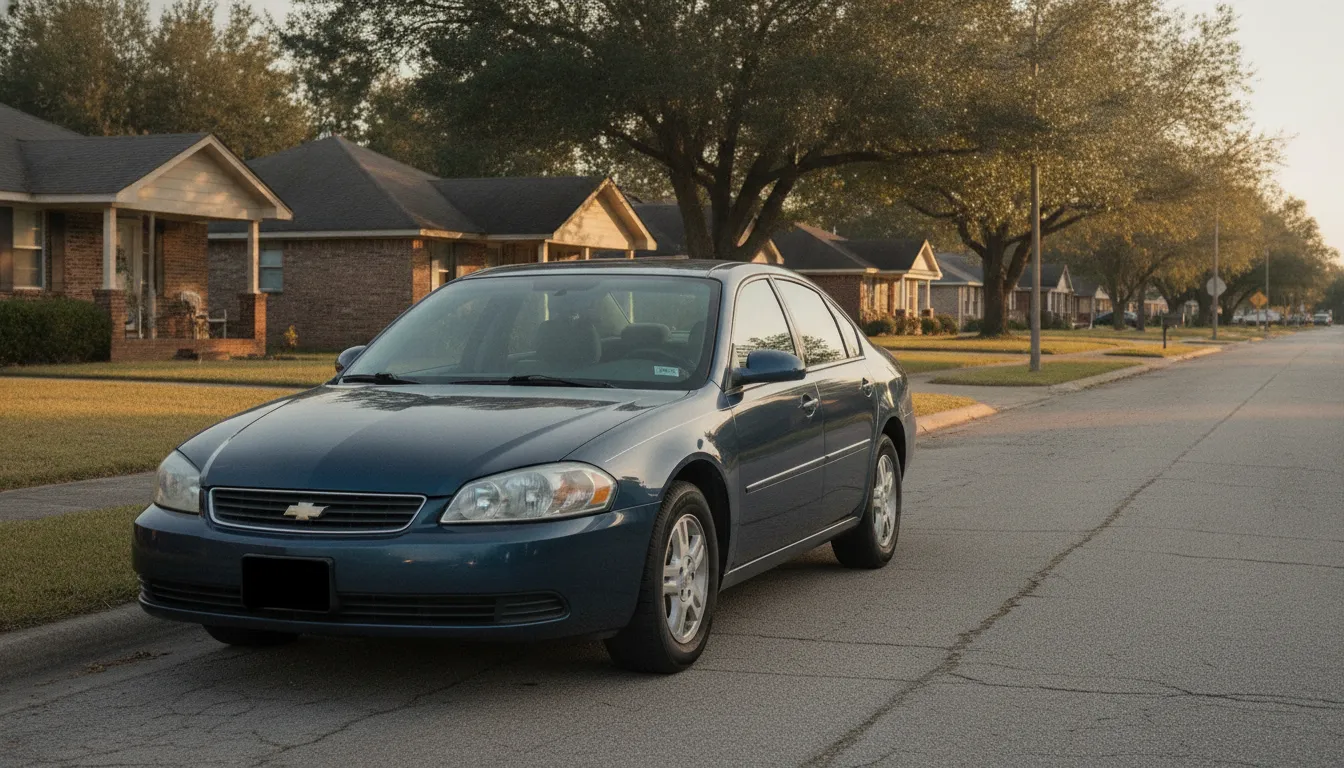
- Damage to your own car after a collision.
- Your own medical bills and other accident-related expenses.
- Damage from a covered non-collision event involving your vehicle.
- Losses that belong under a separate coverage or exceed the applicable policy limit.
Collision coverage is the part that may pay to repair or replace your car after an accident, whether or not you were at fault. Collision coverage comes with a deductible, so the policy pays covered damage after that amount is applied.
Comprehensive coverage addresses specified non-collision losses, rather than damage from striking another vehicle or object. Examples listed by the Louisiana Department of Insurance include flood, fire, theft, vandalism, and falling objects. The policy’s terms and exclusions still apply.
Medical payments coverage is separate from liability. It may help with medical bills under its own terms, but it should not be assumed to be included in the liability section. Read the coverage names and limits on your declarations page carefully.
Uninsured motorist coverage is also separate; read more about whether auto insurance covers medical expenses.
A lender may require collision or comprehensive even though Louisiana law requires only liability. If the vehicle is used for work, review whether you need commercial auto insurance in Louisiana. A work truck or business vehicle usually needs a commercial policy instead of this personal form.
Checking each coverage separately helps you see what your policy can address and where a gap may remain. An independent agent can review those sections with you and explain how the deductibles, limits, and exclusions apply to your situation.
How We Review Personal Auto Liability Limits With You
When we review a declarations page, we start with the liability section and the three split numbers. The first is bodily injury per person, the second is bodily injury per accident, and the third is property damage per accident. We confirm how the limits are structured, then discuss how they relate to your household, vehicles, and everyday driving.
We also look for drivers who are excluded from the policy. An excluded driver may not have coverage when using the vehicle, even if that person lives in your household. Tell us who regularly drives each car, including young drivers and other household members. The policy language and insurer rules control whether a driver must be listed or excluded.
Next, we ask whether anyone in the household has a company car or another vehicle that is regularly available for personal use. A company car or non-owned vehicle may not be covered under your personal auto policy without an endorsement. We can help identify that exposure and explain whether the policy needs a specialised endorsement or a different arrangement.
We consider whether your auto liability limits coordinate with an umbrella policy. An umbrella or excess policy may respond after covered auto liability limits are used up, subject to its terms and requirements. If that layer may fit your situation, we can explain how extra liability protection could sit above the auto policy.
Limits should match your assets, passengers, and driving patterns, rather than follow a universal number. A parent who shuttles a team has a different exposure from a driver who commutes alone. Two households with the same car can reasonably carry different limits. We compare carriers so the form fits the household, and we will not promise a claim result.
We have helped Louisiana families since 2004, including households near our Kenner office and Baton Rouge office. If the private market will not write coverage, we can ask about the Louisiana Automobile Insurance Program, the insurer of last resort. Bring the declarations page, not a guess about what the last agent said.
Talk With Us About Your Liability Limits
Contact our Kenner or Baton Rouge team to review your personal auto liability coverage.
Bring your declarations page and we will read the three liability numbers with you. We will also check excluded drivers and whether a household vehicle needs a different form.
If you would rather talk it through, call us and ask for an auto review. We compare carriers, so the conversation starts with your limits, not a single company form.
Call (504) 305-4141 and we will walk through your liability limits.
Frequently Asked Questions
What does personal auto liability coverage pay for?
It generally pays for bodily injury or property damage caused by you, a family member, or someone driving your vehicle with your permission, when you are legally responsible. Payment is limited by the policy’s liability limits, and fault is decided claim by claim. The Louisiana Department of Insurance guide explains the coverage.
What do 15/30/25 liability limits mean in Louisiana?
These are Louisiana’s minimum split limits. One person is capped at $15,000 for bodily injury. All injuries in one accident are capped at $30,000. Damage to someone else’s vehicle or other property is capped at $25,000. They are separate caps, not one shared amount. LDI’s consumer guide lists these limits.
Does liability cover a friend who drives my car?
Usually, a licensed friend is covered under the owner’s policy when driving with the owner’s permission, unless that person is excluded from the policy. Coverage can depend on the policy and circumstances, so review the listed drivers and exclusions with your agent before lending the vehicle.
Does personal auto liability pay for my own car repairs?
No. Liability coverage is for damage or injuries you cause to other people and their property. It does not pay for your own vehicle repairs or your own accident expenses. Collision coverage is the part that can pay for damage to your car from an accident, subject to its deductible and policy terms.
Is personal auto liability the same as full coverage?
No. Liability covers your responsibility to others. Collision and comprehensive are separate coverages that may protect your vehicle against covered accidents and specified non-collision events such as theft, fire, or flood. A lender may require those coverages even though Louisiana requires liability coverage.


