
A visitor slips on a wet entryway, or a delivery worker is hurt on a damaged step. Who may be responsible, and which policy might respond? A useful property owners liability insurance definition is coverage intended to help protect an owner when a third party alleges bodily injury or property damage connected to the owner’s premises. The exact protection depends on the policy, the facts of the incident, and applicable law.
Discuss your property coverage with our agency
For Louisiana owners, the right question is not simply whether a policy includes the word liability. It is whether the insured property, its use, the people who visit or occupy it, and the alleged event fall within the policy’s terms. We are an independent agency and can help compare available carrier options and identify questions for the insurer. This overview is educational, not legal advice or a promise that a particular claim will be covered.
Request a conversation about your coverage needs
What does property owners liability insurance mean?
Property owners liability insurance is a general description, not one universally standard policy name. People use the phrase for liability protection tied to owning, occupying, renting, or operating a property. Depending on the situation, relevant protection may be part of a homeowners policy, a landlord or dwelling policy, or a business liability policy. An endorsement or separate policy may also be considered, subject to eligibility and carrier terms.
Liability coverage is different from coverage for the building itself. A property policy may insure a dwelling or other property against specified physical damage, while its liability section addresses covered claims made by others. The University of Missouri Extension’s consumer guide to homeowners insurance describes liability protection as helping with another person’s injury or property damage for which an insured may be held responsible. Pennsylvania State University’s homeowner and renter insurance overview likewise treats property damage and liability as distinct coverage areas. These broad descriptions are useful starting points, but the actual contract controls.
Property ownership alone does not establish that an owner is legally responsible for every injury on the premises. Nor does an allegation automatically mean that an insurer will pay. The policy’s definition of an insured, covered locations, exclusions, conditions, limits, and claim facts all matter. Review the declarations and full policy wording rather than relying only on a label or a short summary. If the property is held by an entity, make sure the correct legal owner is addressed in the insurance documents and ask the carrier how that entity is treated.
Which premises-related exposures should owners consider?
Premises liability concerns claims that an injury or damage was connected to a condition or activity at a property. A claimant may allege that an owner failed to address a hazard, did not provide a warning, or did not take reasonable care. Whether a claim is valid is a legal and factual question. From an insurance perspective, identify the locations and activities that could lead to a claim, then ask how the applicable policy treats them.
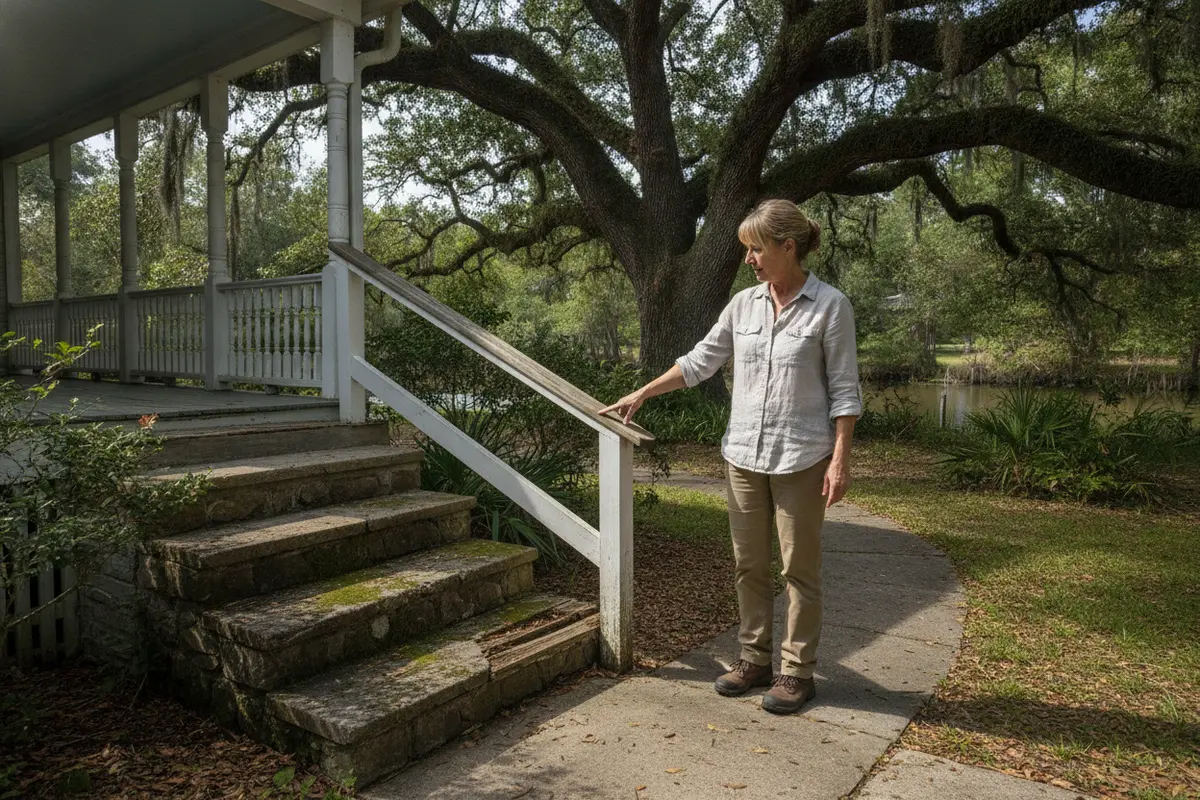
- Walkways and entrances: Uneven pavement, loose steps, poor lighting, or water tracked into an entry may prompt an injury allegation. Note who uses the route and whether a repair or temporary warning is needed.
- Stairs, balconies, and railings: A loose handrail, damaged stair tread, or poorly maintained elevated area can create a risk for residents, guests, or workers. Check the condition routinely and document repairs.
- Shared areas: Hallways, laundry rooms, parking areas, pools, and common grounds may involve owner, tenant, association, or maintenance responsibilities. An agreement that assigns upkeep does not by itself settle insurance responsibility.
- Falling objects or property damage: A claimant may allege that a branch, fixture, or other condition damaged a vehicle or belongings. Ask whether the allegation involves liability coverage, property coverage, or another policy.
- Animals and activities: The policy may treat animal-related incidents or certain property uses differently, making the wording especially important. Describe these exposures accurately when applying or renewing.
- Work performed at the site: Renovations, contractors, and business operations may raise questions about who is insured and which policy applies. Confirm responsibilities and insurance requirements before work begins.
Not every incident fits a premises liability claim, and no checklist can determine coverage in advance. Still, regular maintenance, prompt attention to reported hazards, and accurate records can help owners manage risk and provide useful context if an incident occurs. For instance, a dated note that a tenant reported a loose step, followed by a record of when it was inspected and repaired, provides a clearer timeline than trying to reconstruct events months later. Photographing a repaired condition or keeping maintenance records is not a substitute for policy protection, but it can support a clear account of property upkeep.
How are tenants, visitors, and workers treated?
The people using a property do not all have the same relationship to the owner or the same insurance status. A visitor, tenant, delivery worker, service provider, or business customer may make a claim after an incident. Policy definitions and exclusions help determine whether the owner, another insured, or the property use is covered. A claimant’s status can also affect how duties and facts are evaluated, so do not assume one policy responds in every case.
For a rented home or apartment, the owner’s policy and the tenant’s renters policy serve different purposes. A tenant’s policy may address the tenant’s belongings and certain liability exposures, while the owner’s coverage is arranged for the building and the owner’s own interests. It does not follow that a tenant’s policy replaces an owner’s liability coverage, or that an owner’s policy insures a tenant’s personal property. Owners can review available personal insurance options with an adviser and check the specific policy terms for the property they rent.
Consider a simple example: a tenant reports a leak in a shared corridor, and a visitor later says the wet floor caused a fall. Several questions may arise: who was responsible for inspecting the corridor, when the leak was reported, what actions followed, whether the owner or manager is an insured, and how the policy addresses the location and event. The fact that a tenant reported the issue is relevant context, but it does not predetermine liability or coverage. The owner should preserve the records, follow the insurer’s reporting instructions, and let the carrier assess the claim under the contract.
Business use can change the coverage conversation. If customers, vendors, or employees visit a site, ask whether the premises are insured for that activity and whether a personal property policy restricts business exposures. A business owner may need to review business insurance options, including which entities and locations are named. Contractors working on a property should also understand their own insurance arrangements. Owners can ask how contractor coverage interacts with the owner’s policy, without assuming that one party’s insurance automatically protects another.
Auto-related injuries and damage are another separate category. A vehicle accident in a parking area is not automatically handled like a trip-and-fall claim. The driver’s auto policy, the property owner’s liability policy, and other coverage may be considered depending on the facts and policy language. See our auto insurance information when reviewing vehicle-related exposure. A broader home and auto coverage discussion can help frame which policy questions belong to each risk.
How do common property policies compare?
The table below is a conversation guide, not a coverage promise. Policy names and available forms vary by carrier. Owners should confirm how a policy treats the property’s occupancy, business activities, premises, and liability claims. In practice, start with the use of the location and the legal identity of the owner, then confirm whether the proposed form is designed for that combination.
| Coverage arrangement | Typical situation | Questions to ask |
|---|---|---|
| Homeowners policy | An owner occupies a home as a residence. | Who qualifies as an insured? Are occasional rentals or business activities restricted? What limits, exclusions, and conditions apply? |
| Rental dwelling or landlord policy | An owner rents a residential building to tenants. | Is the rental use correctly disclosed? Are all units and premises identified? How are tenant, guest, and maintenance-related claims addressed? |
| Business liability coverage | A property is used for business or customers visit it. | Are the business and location insured? Do contracts, operations, or other exclusions affect coverage? |
| Umbrella or excess liability | An owner asks about additional liability limits above underlying policies. | Which underlying policies must be maintained? What exclusions and attachment requirements apply? |
A table cannot replace review of the actual contract. For example, a dwelling policy may be structured differently from a homeowners policy, and the same owner may need separate arrangements for a residence and a commercial building. Tell your agent how each property is used, whether it is rented, vacant, under renovation, or used for business, and whether it has shared spaces or amenities. An accurate description gives the carrier a better basis for evaluating the risk.
When comparing options, read beyond the policy name and top-line limit. Check whether the same owner and locations appear on each proposal, whether the uses are described consistently, and whether one option excludes an activity that another may address. Ask for clarification if the proposal refers to an endorsement, special condition, or separate form that you have not received. A side-by-side review is most useful when the information supplied to each carrier is the same.
What limits and exclusions should you check?
Liability limits describe the maximum amount available for certain covered claims, subject to the policy’s terms and how its limits apply. Review the limit shown on the declarations, any per-occurrence or aggregate structure, and whether defence costs are treated within or outside the limit under that form. Do not assume that two policies with the same displayed limit offer identical protection. The insured parties, exclusions, and conditions may differ. If considering higher limits, ask how the proposed amount relates to the underlying policy and whether an umbrella or excess option is available for the particular risk.
Pay close attention to these policy details:
- Insured persons and entities: Confirm the policy names the owner or legal entity that holds the property. Ask how household members, property managers, or additional insureds are treated.
- Covered locations: Check that the address and relevant structures are correctly listed. Ask whether detached structures, entrances, and shared areas are included.
- Use and occupancy: Disclose rental, seasonal, vacant, renovation, and business use. A change in use may require notice or a different policy.
- Exclusions and restrictions: Ask about animals, pools, certain activities, intentional acts, pollution, contractors, and other restrictions that may be relevant to your site. Exact wording varies.
- Deductibles and conditions: Understand what the policy requires after an incident, including notice, cooperation, and documentation. Liability policies may have specific reporting requirements.
- Other insurance: Ask how overlapping policies coordinate and which policy may be primary, if applicable. Do not rely on an informal assumption that one policy will fill a gap in another.
- Umbrella eligibility: If considering excess limits, confirm the required underlying coverage and whether the property or activity is eligible.
A policy can include a duty to defend or other claim-handling provisions, but those obligations depend on the contract and applicable law. Notify the insurer promptly if an incident might lead to a claim, follow the policy’s reporting instructions, and avoid promising payment or admitting legal responsibility on behalf of an insurer. For immediate safety concerns, address the hazard first and seek appropriate professional help.
It can help to keep a compact coverage file for each location. Include the declarations, relevant endorsements, the name of the owner shown on the policy, a list of disclosed uses, and the carrier’s claim contact instructions. When renewal documents arrive, compare the new forms with the prior term and ask about changes that affect liability, not only changes to building coverage. A missing location or outdated description is easier to correct before an incident than after a claim is underway.
How can Louisiana owners reduce avoidable surprises?
Louisiana property owners face practical maintenance demands from heat, humidity, heavy rain, and seasonal storms. Weather can affect roofs, drainage, exterior steps, trees, and shared access areas. Road and parking conditions can also affect visitors reaching a property. These conditions do not create a particular coverage outcome, but they make regular inspections and clear reporting practices useful parts of risk management. After severe weather, for example, owners can check access routes and note whether a temporary condition needs attention while repairs are arranged.
- List every property and use. Record each address, the way it is occupied, and whether any portion is rented or used for business. Include detached buildings and shared amenities in your review.
- Identify who maintains each area. Review leases, association documents, and service arrangements to understand assigned maintenance duties. Do not assume an agreement changes what an insurance policy covers.
- Inspect recurring hazards. Check lighting, stairs, railings, walkways, drainage, and areas used by visitors. Arrange appropriate repairs and keep a record of completed work.
- Tell your agent about changes. New tenants, renovations, vacancy, a home-based business, or a new amenity can affect the risk information provided to a carrier.
- Review the policy after a meaningful change. Ask for the updated declarations and confirm that the listed insured, property, and use remain accurate.
- Know the reporting process. Keep the carrier’s claim contact details accessible and understand how to report an incident under the policy.
A repeatable inspection routine does not need to be complicated. Choose a schedule that fits the property’s use, walk the public access route, note hazards and the date, and assign a person to follow up. For rental homes, make a clear process for tenants to report maintenance concerns and retain the reports with repair records. For multi-unit or business locations, include common areas and parking routes rather than limiting the review to the interior of a single unit.
Owners in Kenner, Baton Rouge, New Orleans, and nearby communities can ask an independent agency to compare available options across carriers. We can help organise the questions and explain differences we find, but coverage is determined by the issuing carrier and the policy contract. You can also review our insurance coverage options as a starting point for a broader conversation.
What should you ask an independent agency?
Bring the property address, occupancy details, current declarations, and a short description of any special exposures. If a property is owned by a company or trust, provide its exact legal name as shown in ownership records. Questions that can make a review more useful include:
- Which policy form is intended for this property’s actual use?
- Is the owner or legal entity that holds the property correctly identified?
- How does the policy address injury allegations involving tenants, visitors, or service providers?
- Which exclusions, sublimits, or conditions are important for this specific property?
- Are the liability limits appropriate for the exposure I have described, and what options are available?
- Would an umbrella policy be relevant, and what underlying requirements would apply?
- What should I do, and whom should I contact, if someone reports an injury or damage?
- Would a change in occupancy, renovation, or business activity require a policy update?
It is useful to bring concrete examples instead of asking only whether a policy “covers premises liability.” You might ask how the application should describe a short-term vacancy, whether a detached garage is listed, or which documents the carrier needs after a reported fall. Ask the adviser to distinguish what is stated in the proposal from what must be confirmed in the issued contract. If the answer depends on a carrier decision, get that clarification from the insurer rather than treating a general explanation as a binding coverage determination.
An independent agency can compare options from its appointed carriers, explain differences in proposals, and help you direct questions to the carrier. That does not mean every carrier offers every form or that the lowest quote has the right terms. Ask for a clear explanation of the trade-offs and verify the final documents before relying on them. We can also review related auto insurance questions or business coverage considerations when a property has mixed uses and more than one type of exposure.
Contact our agency to review your property coverage
Frequently asked questions
Is property owners liability insurance a separate policy?
Not always. The phrase may refer to liability coverage within a homeowners, rental dwelling, or business policy, or to a separate or excess arrangement. Ask which exact policy and form is proposed for your property, and confirm the owner and use are accurately described.
Does a property owner’s policy cover a tenant’s belongings?
Do not assume it does. An owner’s policy and a tenant’s renters policy generally address different insured interests. Check the contracts for the owner, tenant, building, and personal property involved.
Does liability coverage pay every time a visitor is hurt?
No. An injury alone does not establish that a claim is covered or that the owner is legally responsible. The policy wording, exclusions, insured status, facts, and applicable law all matter. Report possible claims as directed by the insurer.
Should a Louisiana rental property have the same policy as an owner-occupied home?
Not necessarily. Rental use can change the appropriate policy form and underwriting questions. Tell your agent how the property is occupied and ask the carrier to confirm the coverage is designed for that use.
What information should I have ready for a coverage review?
Gather the property address, ownership details, occupancy and business-use information, current declarations, and details about shared areas or amenities. Mention upcoming changes such as a renovation, vacancy, or new tenant so the adviser can identify questions for the carrier.
Before choosing or changing coverage, compare the actual policy terms and make sure the insurer has accurate information about the property and its use. A careful review can help you understand what protection is intended and where you may need further guidance.


